Alex Sumsky
Basketball Forever Founder, Fantasy expert



Fantasy veteran and Basketball Forever founder Alex Sumsky tells us how the NBA rule changes might impact our Supercoach teams
NBA
Basketball Forever Founder, Fantasy expert
October 22, 2025
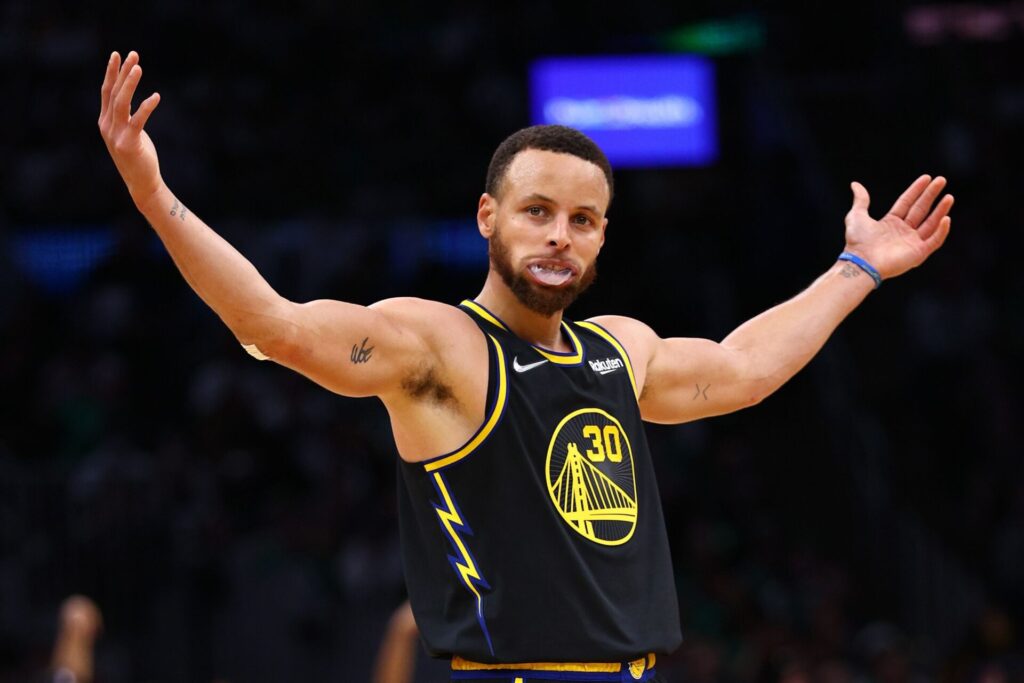
Stephen Curry is entering his 17th season in the NBA.
Over that span in Supercoach terms, he’s been the ultimate premium: elite efficiency, historic three-point volume, and enough free throws to singlehandedly win categories.
The problem is usually his price tag.
However, this season, at just $15.5M, he’s only the 12th most expensive point guard.
And if you’re staring at that price tag, wondering whether to smash the buy button…the NBA may have answered it for you.
Heading into 2025-26, the NBA rulebook itself has tilted in Curry’s favour.
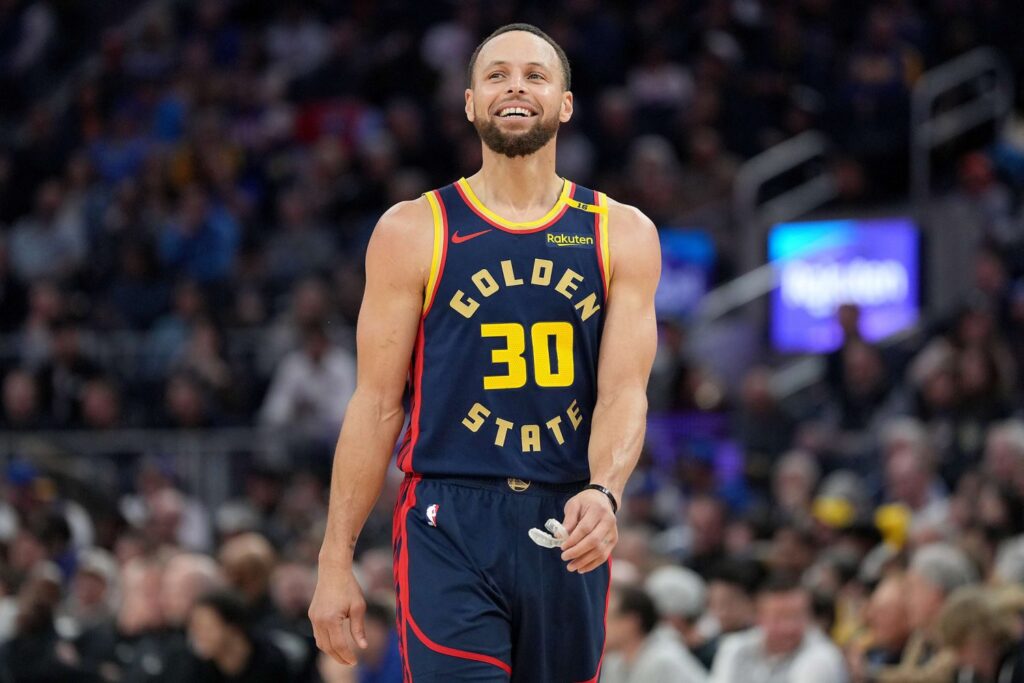
Two rule changes – the High-Five Rule and the Heave Rule – are subtle on the surface, but massive in how they touch Curry’s profile.
One protects his shooting wrist and boosts his whistle equity.
The other eliminates the silent tax on the 100 heaves he’s launched in his career.
Together, they make Curry statistically bulletproof in ways that matter for Supercoach.
Below is the full breakdown – Curry’s upside under the new rules, how it shows up in SuperCoach scoring, what it means for availability, and the cheaper players who’ll ride the same wave:
This rule change comes into effect in the 2025-26 NBA season.
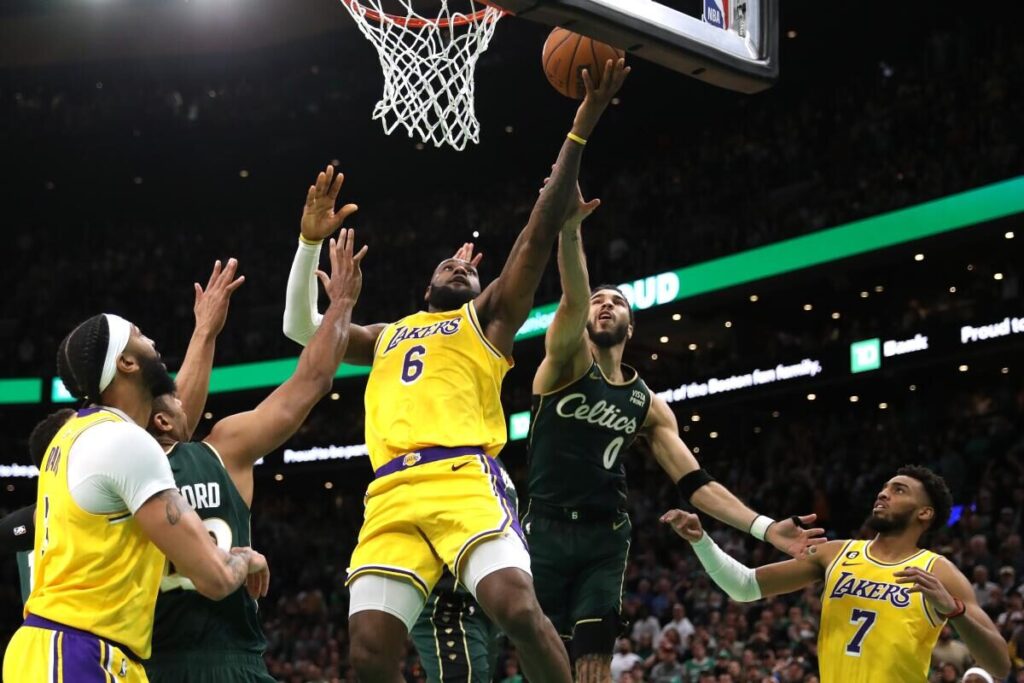
Simply put: defenders will no longer be allowed to make secondary contact with a shooter’s hand, wrist, or arm after the ball has been released on a jump shot or three-pointer – where that contact impacts the shooter’s follow-through or rhythm.
Previously, the so-called “high-five” foul (a defender swiping a shooter’s arm/hand after release) was rarely called, even if arguably it affected the shot or risked injury.
Under the updated emphasis:
– A legal closeout is still allowed: a defender can contest a shot vertically, make contact before or at release in a normal contest.
Incidental/benign contact still won’t always be called – the key is “conscious second motion” by the defender.
For example, in a preseason game, the Warriors’ Curry hit a three-pointer and drew the foul under this rule when the defender later swiped his hand after the release.
The call stood, resulting in a four-point play.
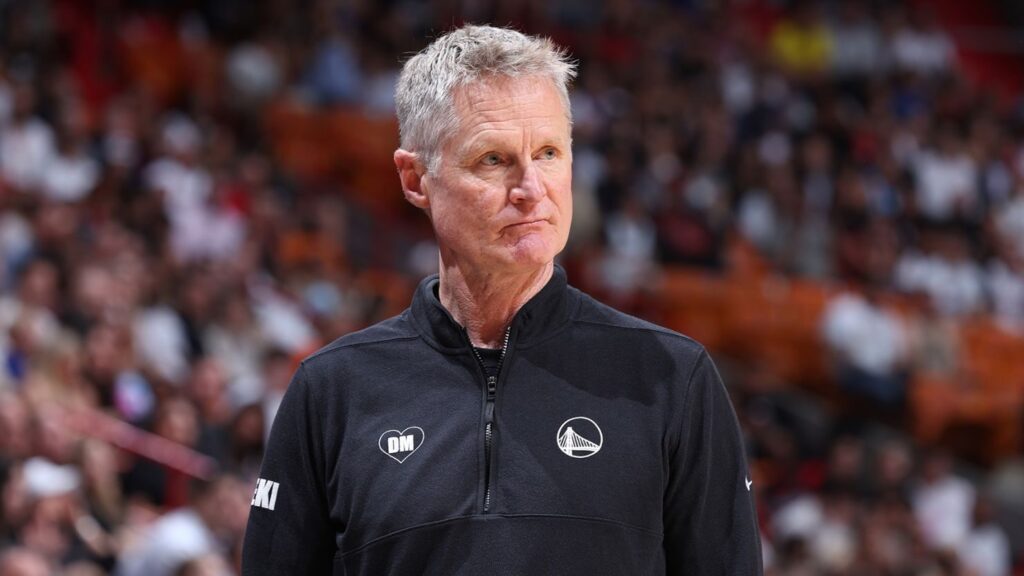
Warriors head coach Steve Kerr knows how significant the rule change is.
“I think it’ll help Steph every game because of the relaxed rules on that the last few years, everybody’s out there just trying to hammer him on the arm,” Kerr explained.
“It’s a good change for him, it’s a good change for everybody, I think it’s just, that’s a foul. To me it should have been called for the last few years, it just got away from everybody and I’m glad that the league addressed it.”
Expect Curry to draw more “and-one” or three-point-plus-foul opportunities, and even just end up at the line more.
By removing an extra layer of defender interference, Curry may have an even better rhythm, fewer disrupted shots, and thus slightly better efficiency.
You’re essentially guaranteeing the most efficient free throw shooter in NBA history (career ~91%) and all time leader in threes will shoot more free throws and make more uncontested threes.
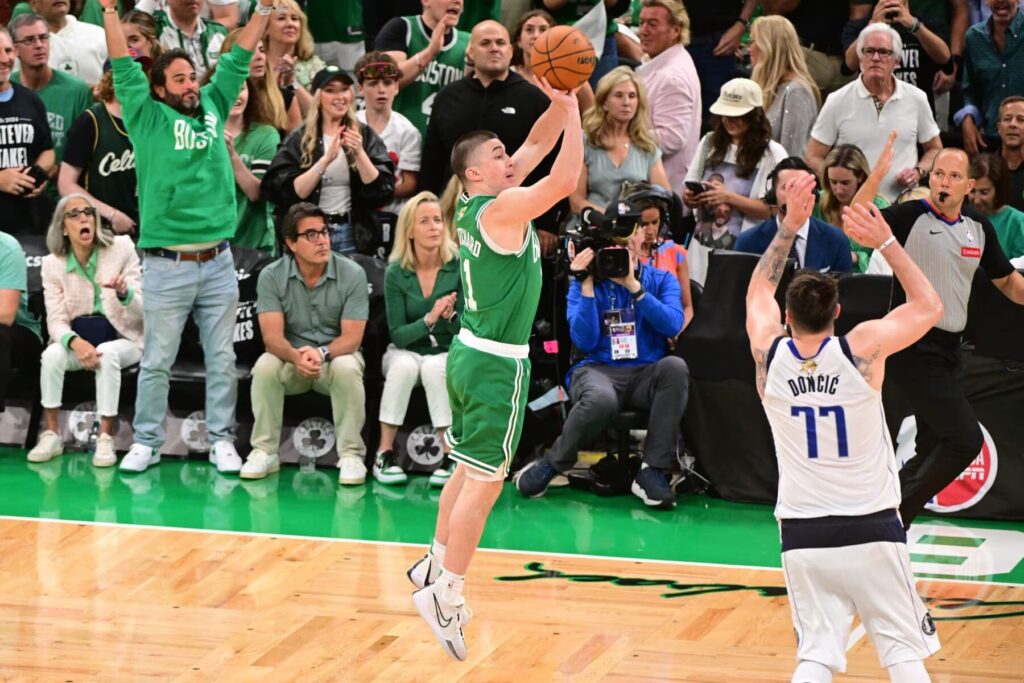
The league is explicitly framing this as a player-safety issue for shooters.
Fewer rakes on the shooting wrist means fewer flare-ups, fewer taped fingers, and fewer “not quite right” nights.
That is massive for Steph’s availability in a SuperCoach season.
End-of-quarter bombs used to come with a hidden Supercoach tax: misses counted against your personal FG%/ 3P%, which incentivised stars to dribble the clock out.
Starting in 2025-26, unsuccessful heaves from ≥36 feet in the final 3 seconds of Q1–Q3 (on plays beginning in the backcourt) are recorded as team misses, not personal.
Made heaves still count for the player.
In other words: zero downside, non-zero upside.
At $15.5M, you’re paying potential unders for a stabilised floor and a smidge of new upside created by enforcement that finally favours the best shooter on earth.
For almost half the price of the top-of-the-range player in Nikola Jokic, you’re getting a bump from rules that will touch both production and availability.
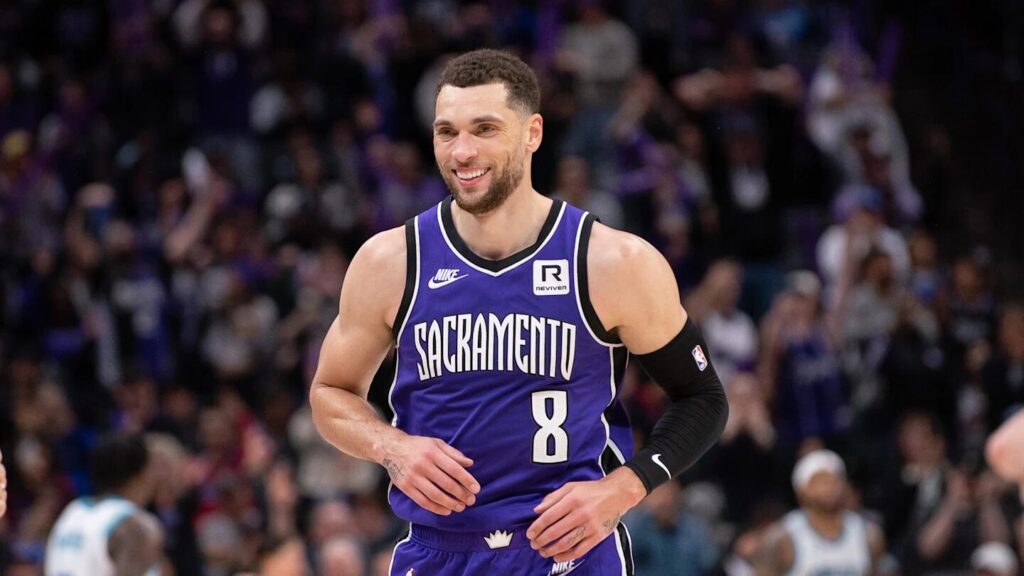
You want profiles that (a) take lots of jumpers/spot-ups, (b) draw tight contests, and (c) may have avoided heaves or lost efficiency to post-release contact. Prices are indicative:
Leave a Reply
You must be logged in to post a comment.